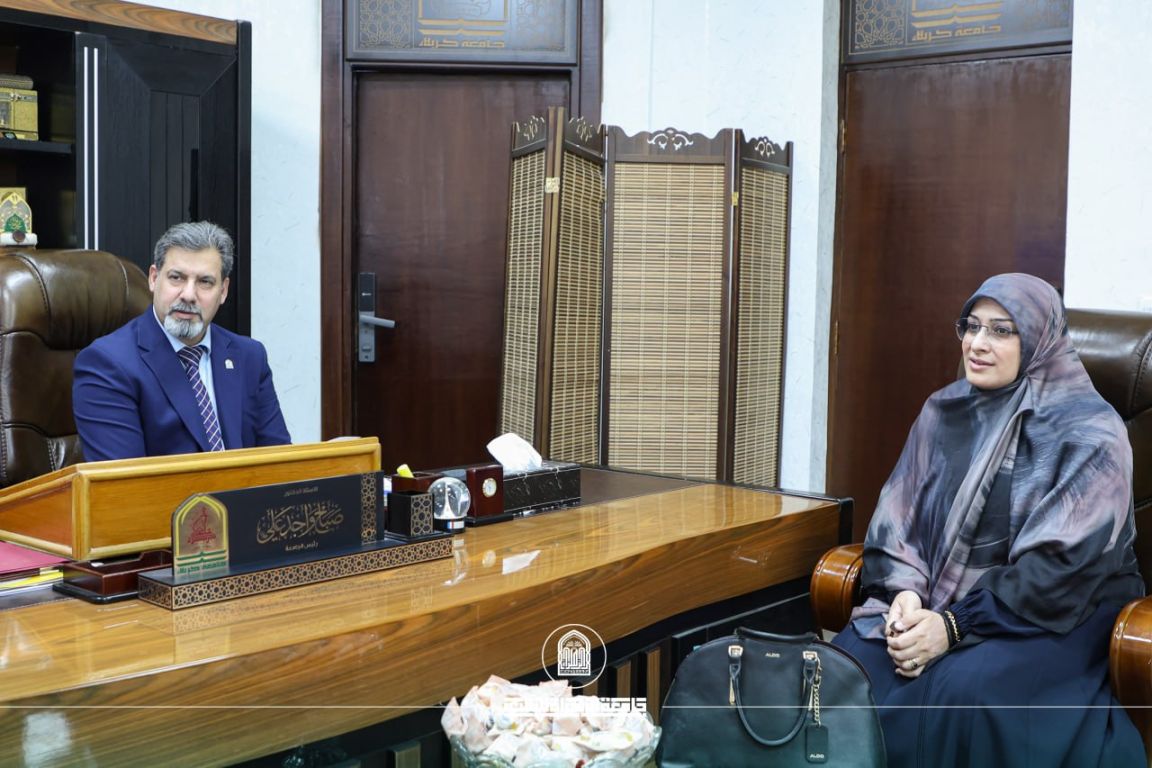
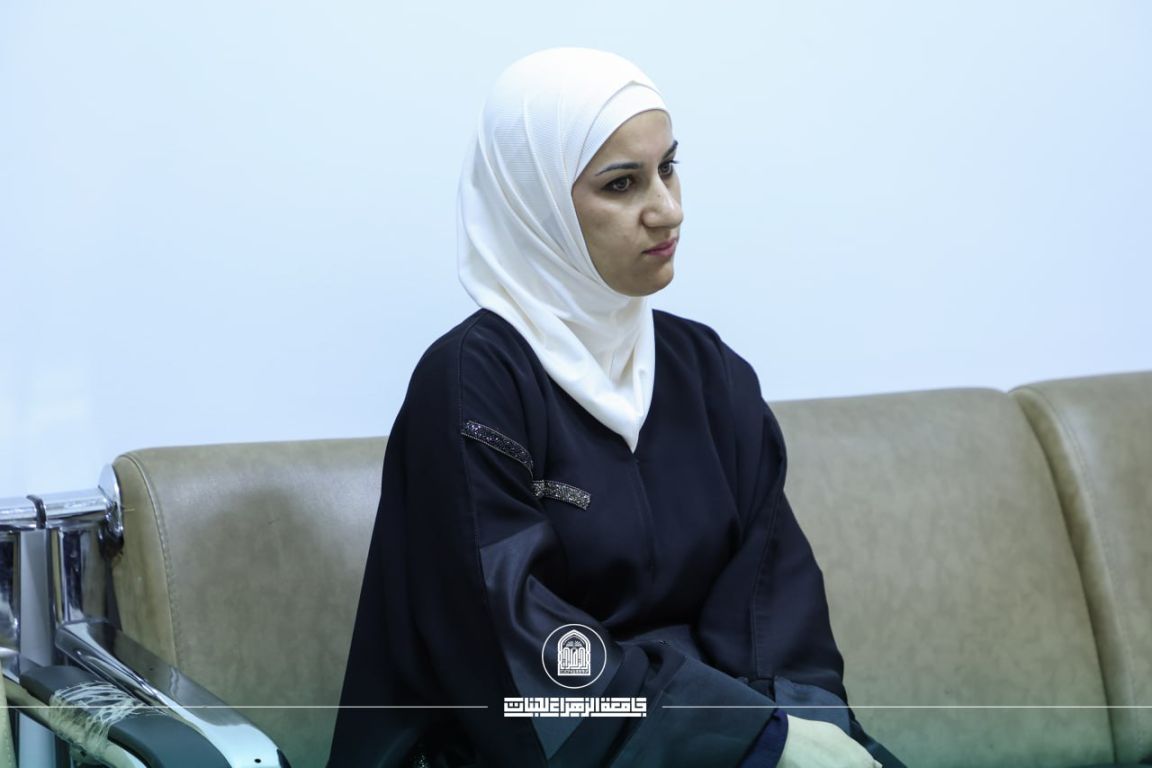
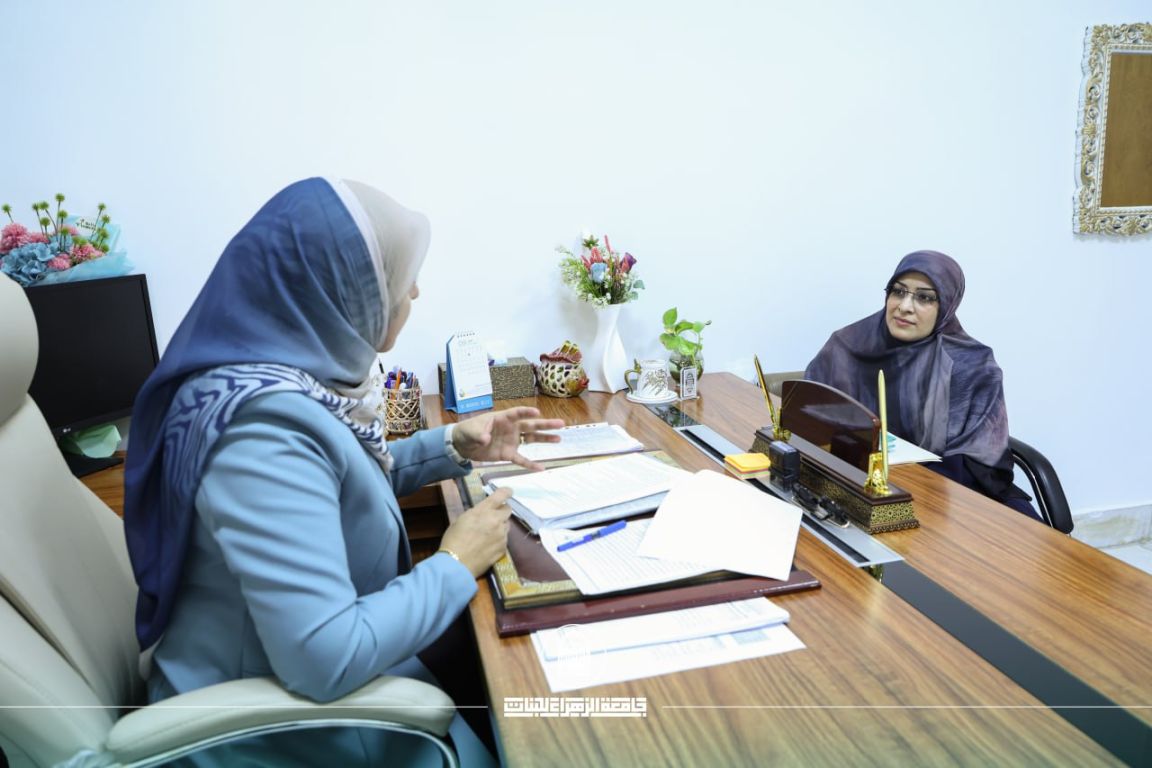
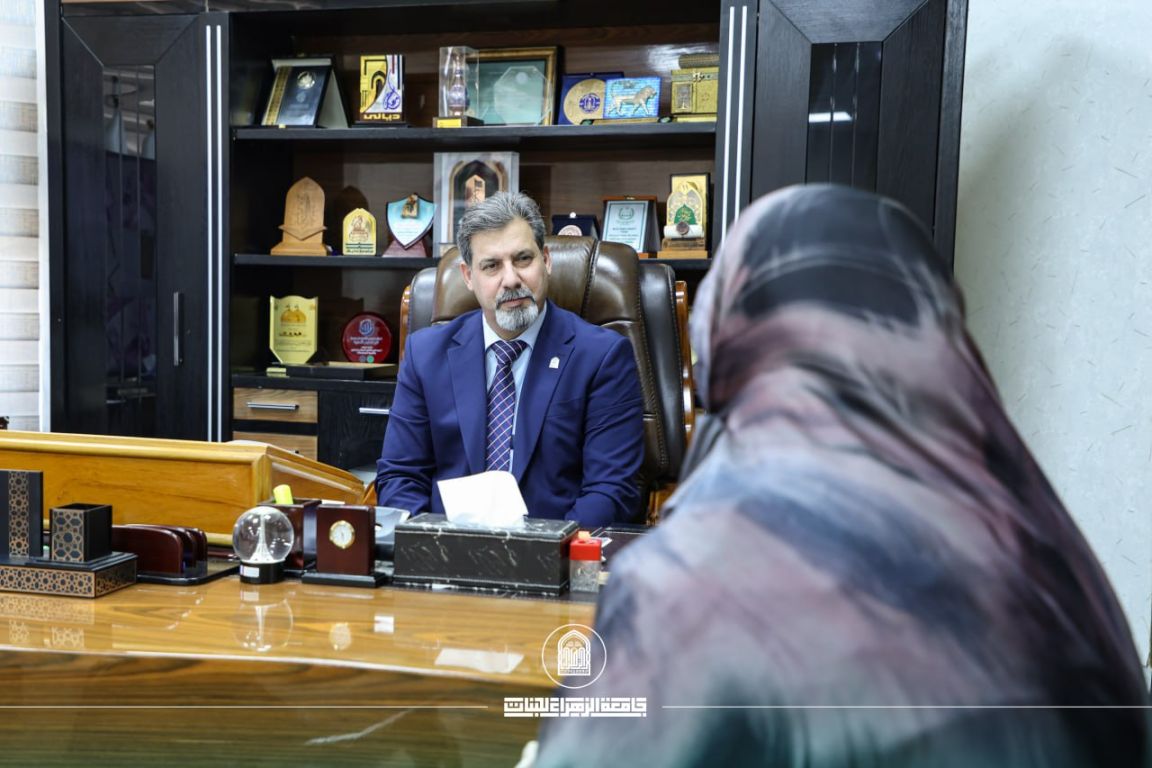
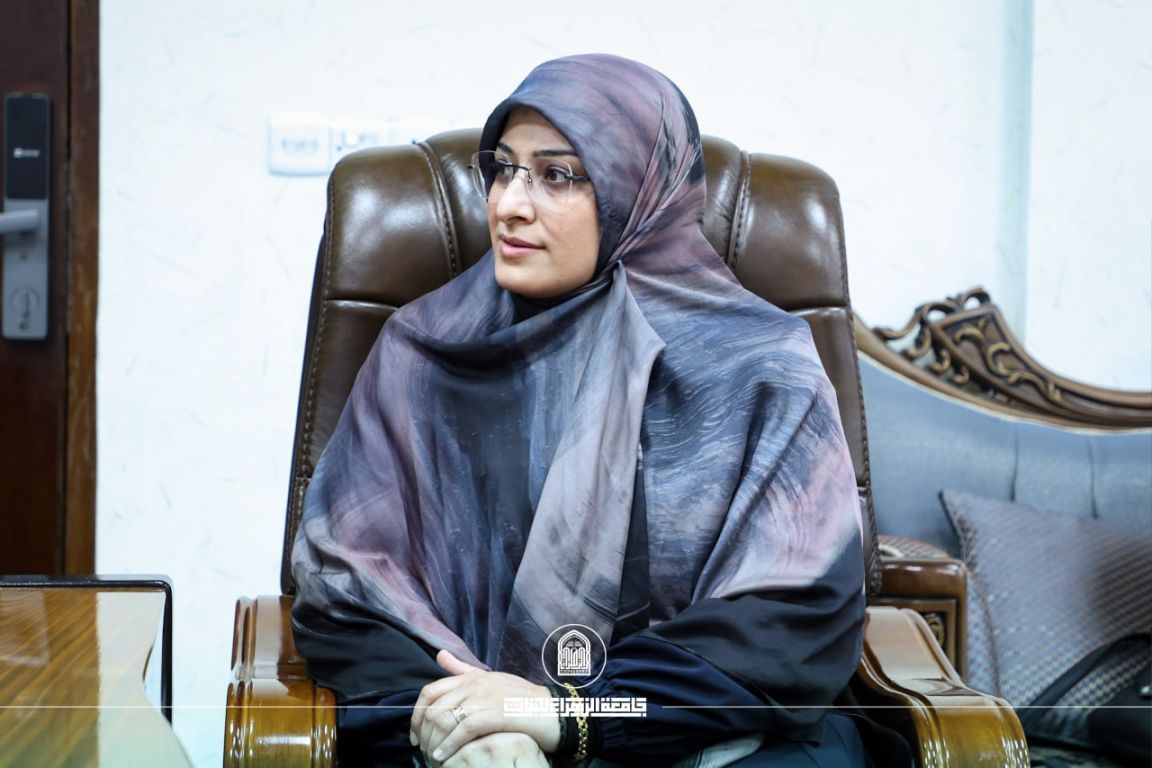
As part and parcel of its vision to expand the scope of scientific and academic collaboration with reputable Iraqi universities, a delegation from the Continuing Education Center at Al-Zahraa University for Women, headed by Asst. Prof. Dr. Ma’ali Hashem Abu Al-Ma’ali, Director of the Center, paid an official visit to the University of Karbala.
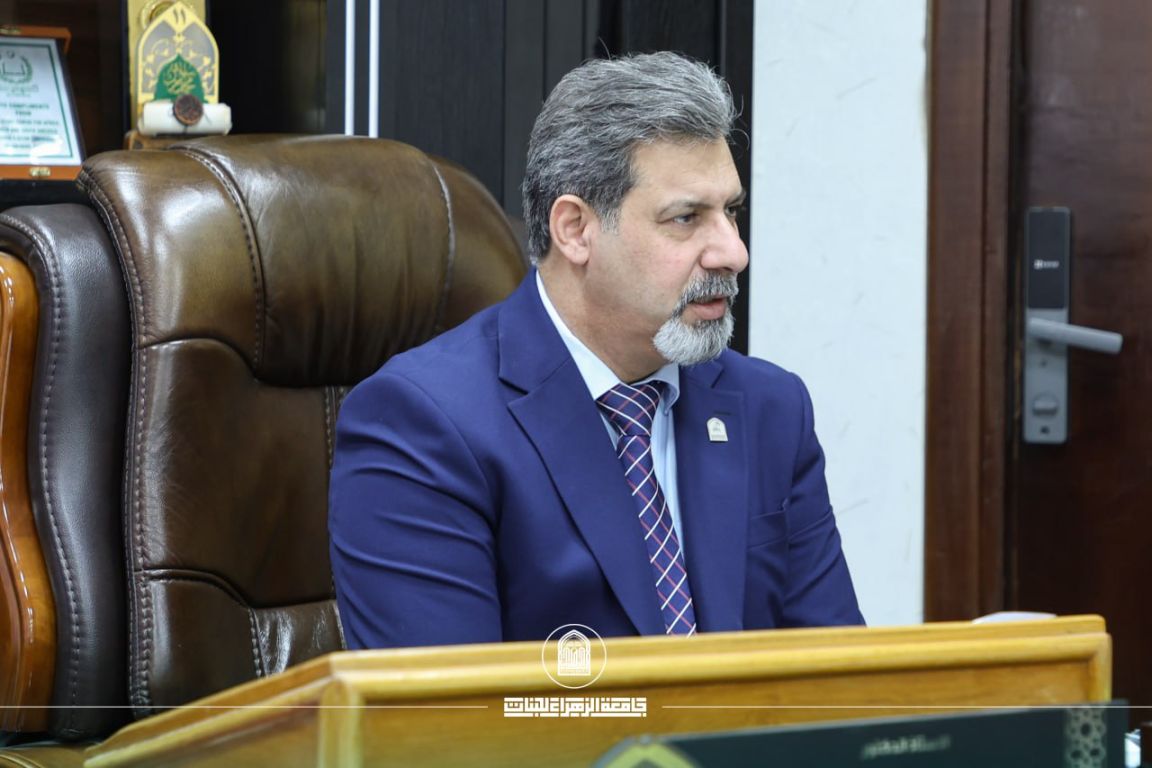
Additionally, Prof. Dr. Sabah Wajid Ali, President of the University of Karbala, and his Asst. Prof. Dr. Aysar Ashour Khalaf, Director of the Continuing Education Center, received the delegation.
During the meeting, both sides reviewed mechanisms to activate the previously signed Memorandum of Understanding, emphasizing the significance of translating its provisions into practical programs and joint projects that contribute to developing the work of continuing education centers, expanding their training activities, aligning them with labor market requirements, and strengthening their role in serving society and meeting its evolving needs.
The discussions also addressed strategies for exchanging academic and administrative expertise between the two universities through organizing joint workshops and training courses and establishing specialized programs aimed at upgrading the competencies of staff members across different fields. The meeting further highlighted the significance of promoting the culture of lifelong learning and consolidating the role of continuing education centers as platforms for innovation, development, and capacity building.
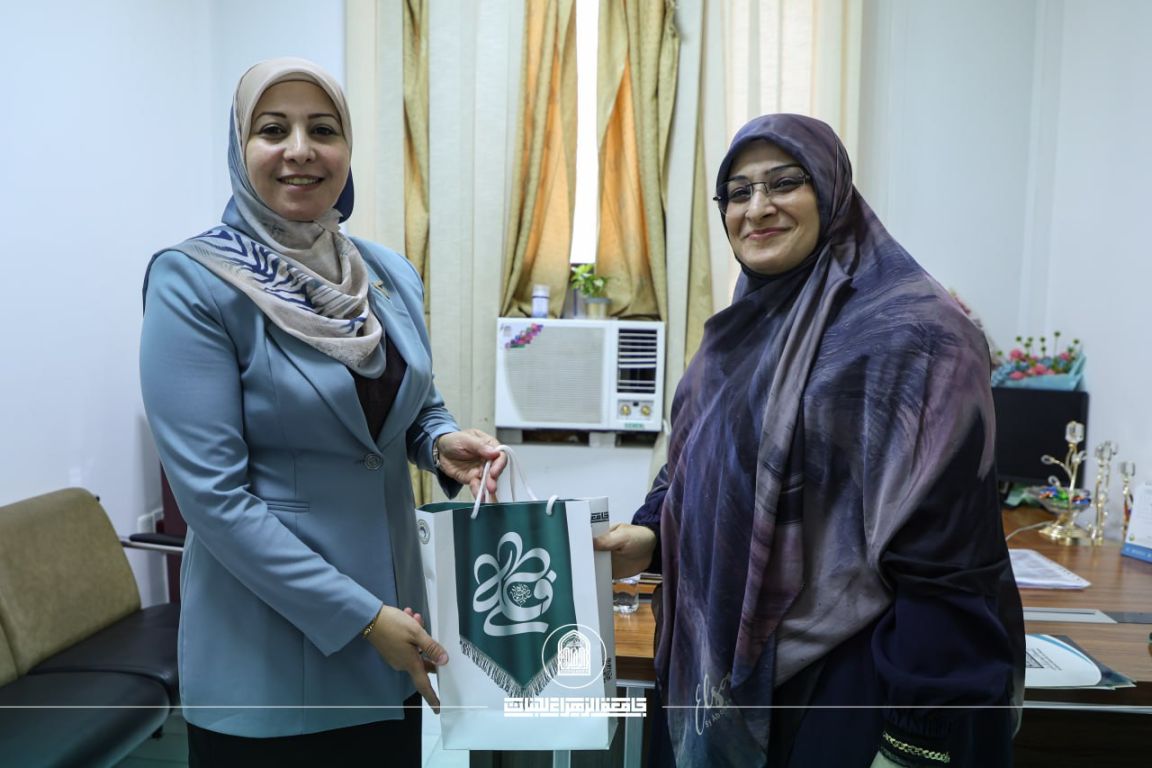
At the conclusion of the visit, both parties expressed their appreciation for the significance of the meeting and agreed on practical steps to broaden the horizons of collaboration, affirming their commitment to joint efforts in achieving common goals and welcoming new initiatives that support the academic and scientific missions of both universities.
It bears noting that this collaboration represents a significant step towards unifying efforts in the development of continuing education, reflecting contemporary trends in higher education and contributing to the preparation of graduates equipped with advanced skills, capable of competing in dynamic labor markets, and responsive to the demands of scientific and professional development.
Translated by Zahra’ Ala’
Attachments
Latest News and Activities
Related Posts
Further reading and related articles you may find useful.
 University News
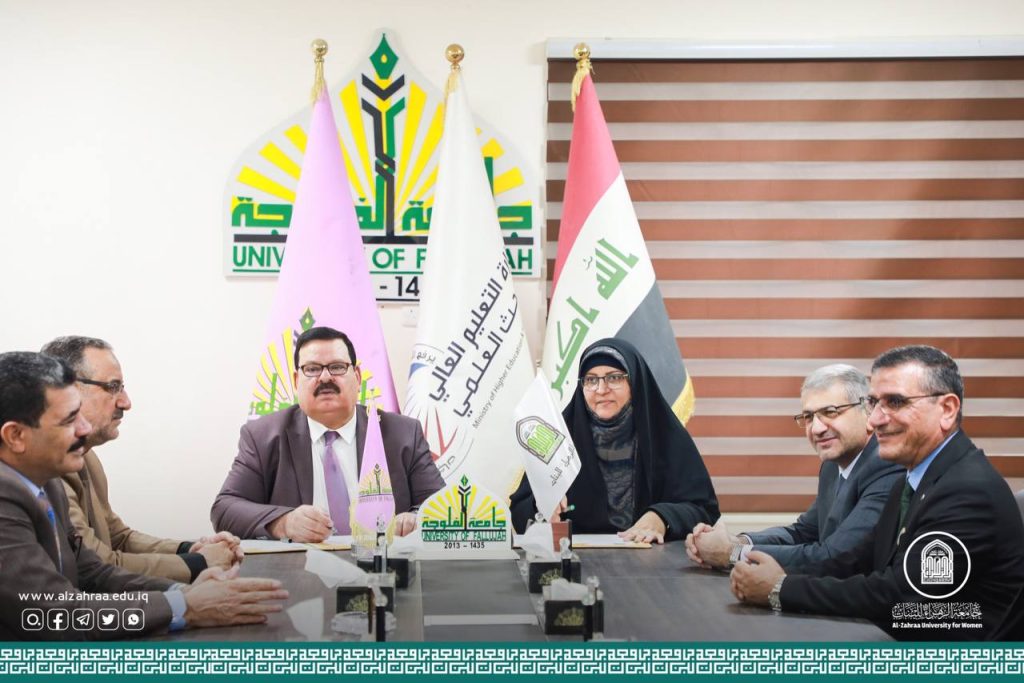
ZUW and University of Fallujah Sign Scientific Cooperation Agreement and Establish Future Academic Partnerships
A delegation from Al-Zahraa University for Women, headed by Prof. Dr. Zainab Al-Mulla Al-Sultani, President of the University, visited the University of Fallujah on Tuesday, 24 October 2023. Additionally, the said event comes in line with Al-Zahraa University...
 University News
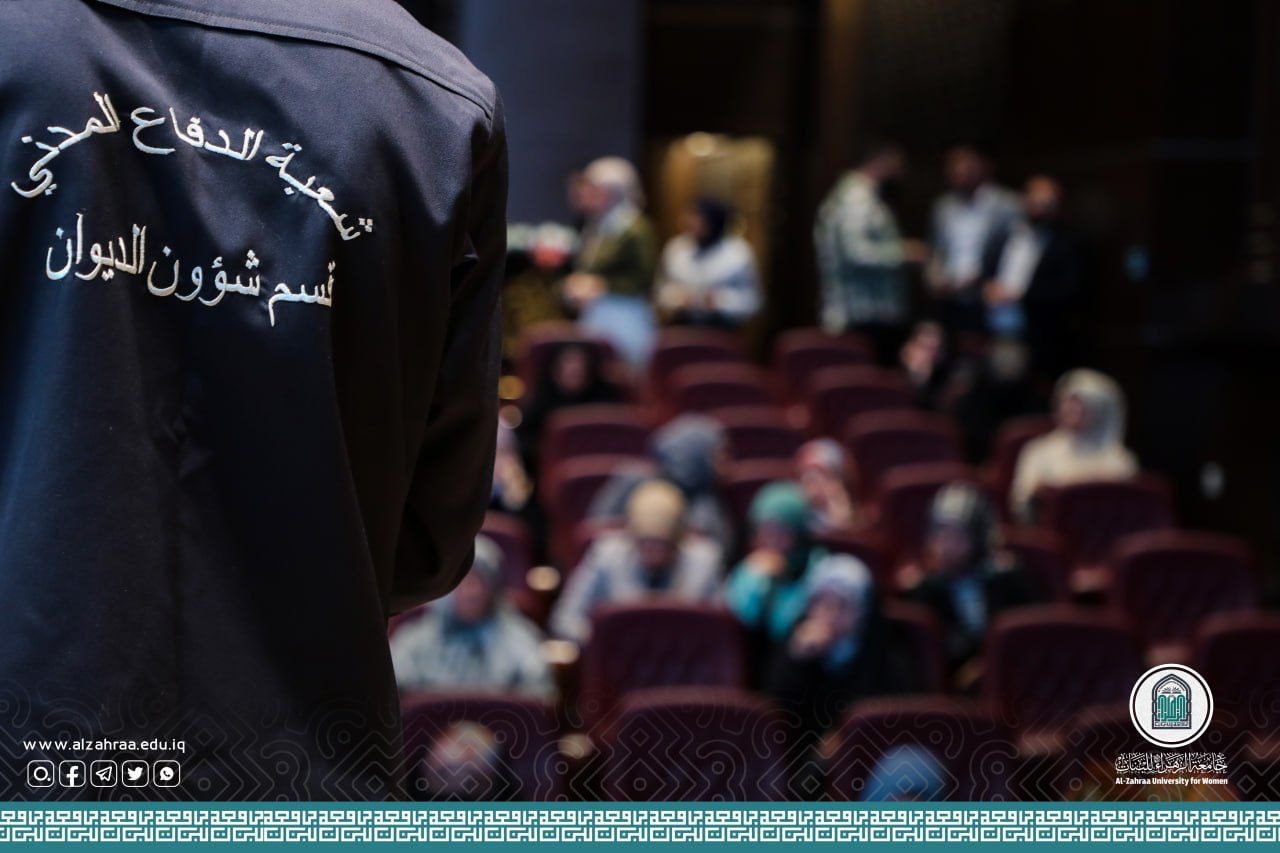
Proceeding from the importance of proper scientific awareness and behavior, preserving the safety of female students, the security of university staff, and the progress of work in it . The Civil Defense Division at Al-Zahraa University (peace be upon her) for Women held a scientific training workshop entitled: (Civil Defense), presented by Mr.: Mahdi Reda Muhammad, on Saturday Corresponding to 4/3/2023, on the rehab at Umm Abha Hall.
Proceeding from the importance of proper scientific awareness and behavior, preserving the safety of female students, the security of university staff, and the progress of work in it . The Civil Defense Division at Al-Zahraa University (peace be upon her) for...
 University News
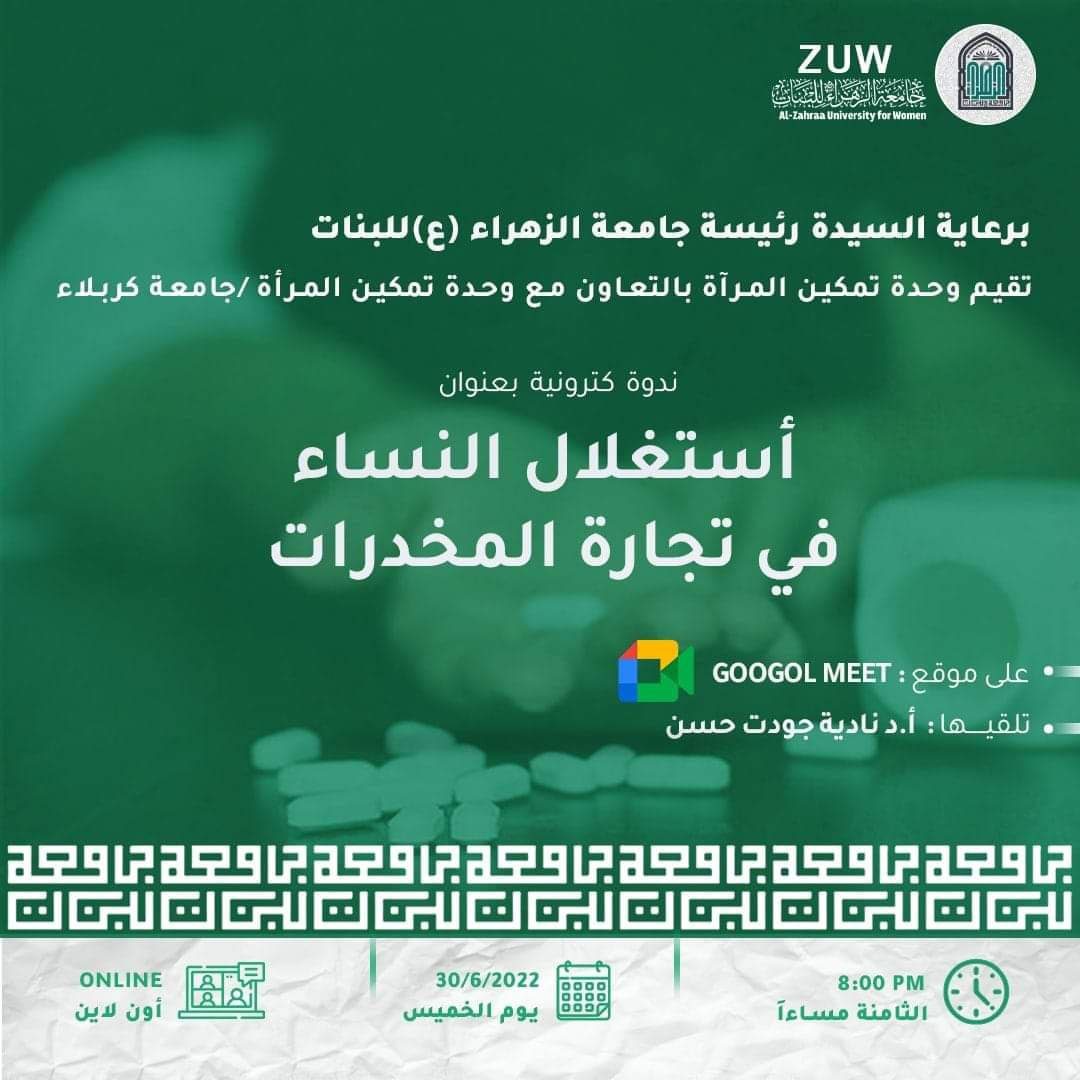
Women’s Empowerment Unit Holds Awareness Seminar on Exploitation of Women in Drug Trafficking
The Women’s Empowerment Unit at Al-Zahraa University for Women, in cooperation with the University of Karbala, organised an online awareness seminar on the exploitation of women in drug trafficking. The said seminar was attended by members of the Women’s Empow...